Guitar Lessons in Singapore: Costs, Class Types & How to Choose
Learning guitar can help you enjoy music, build confidence and play songs you love. If you are searching for guitar lessons Singapore, choose based on your experience, interests and budget. You might want to play acoustic pop, electric guitar, contemporary band music or worship music. Compare lesson formats and what each fee includes before deciding.
What Types of Guitar Lessons Can You Take?
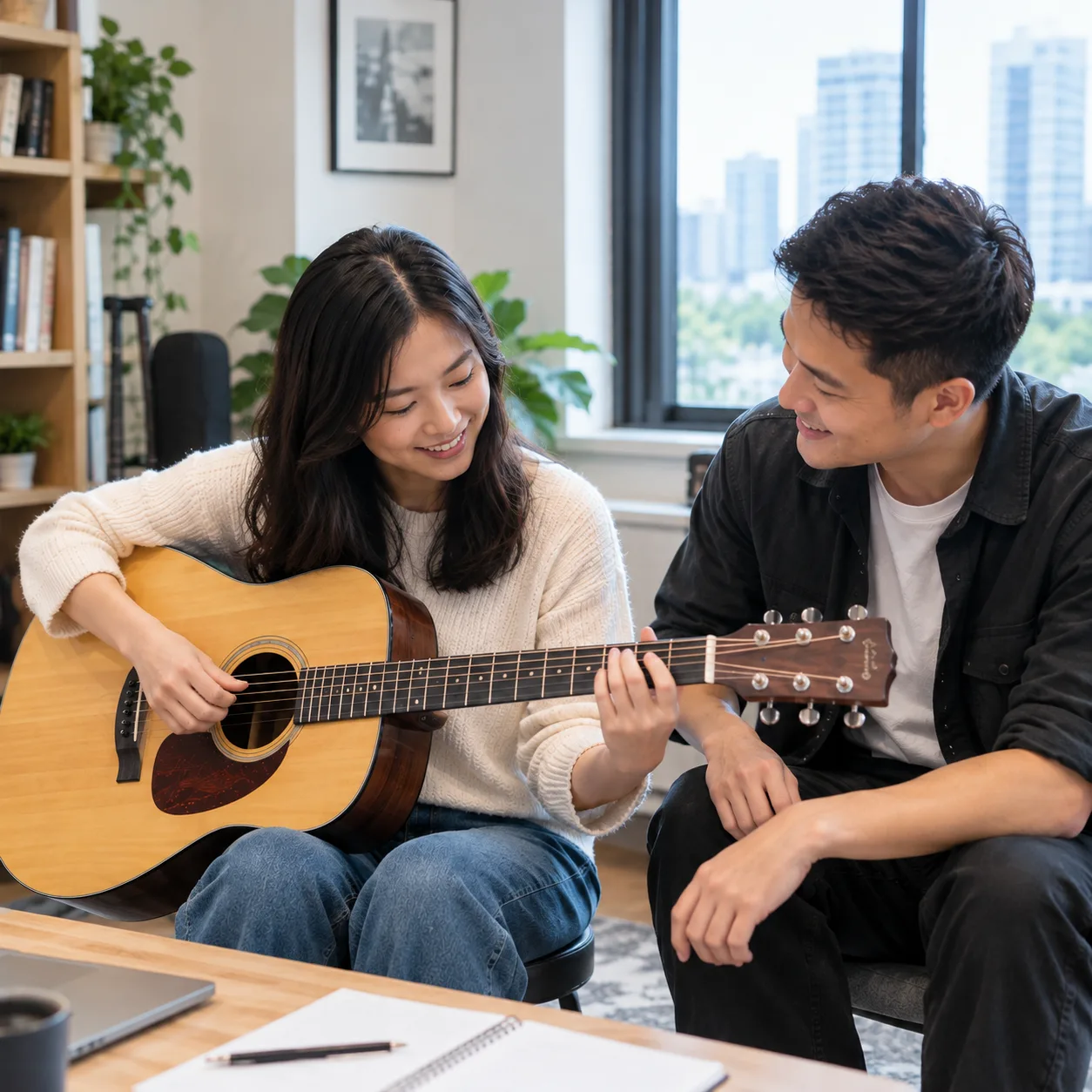
Private guitar lessons give you focused time with a teacher. The pace can match your progress, with time for chord changes, rhythm, fingerpicking or playing by ear. It suits beginners who want individual guidance and experienced players working towards a specific goal.
Group guitar lessons let students learn alongside others. They may cost less and make learning social, but each student gets less individual attention. Ask about class size and levels before enrolling.
Acoustic guitar lessons often focus on open chords, strumming, rhythm and accompaniment for singing. Electric guitar lessons may include picking technique, riffs, tone, effects and playing with a band. Choose the instrument that matches the music you want to play.
Some schools also teach contemporary and worship music. If you want to play in a church band, for example, ask whether lessons cover chord progressions, timing, playing with other musicians and learning songs by ear—not just reading notation.
How Much Do Guitar Lessons Cost in Singapore?
Prices vary according to lesson length, teacher experience, location, format and whether you book individual sessions or a package. Published Singapore price guides put many private lessons in the range of about S$35–S$110 per session, with S$60 cited as a typical figure. Specialist lessons and packages may cost more. Treat these as estimates, not fixed market rates.
Compare the full cost, including materials, trial or make-up lessons, and instrument use. Ask about registration fees, deposits and cancellation terms before committing to a term. For example, Methodist School of Music states that fees vary by programme and that one-to-one lessons have a one-time registration fee and refundable deposit, so check the current guitar course details directly.
How to Choose the Right Guitar Teacher or School
Start with your goal. A child beginning music may need short, structured activities and patient encouragement. An adult beginner may prefer learning familiar songs early to stay motivated. Someone returning to guitar may want help correcting technique or building consistency. Tell the teacher your goals and ask how progress is measured.
A short practice routine of 15–20 minutes on most days can reinforce each lesson better than one long session at the weekend. Next, look at the teacher’s experience and teaching approach. Qualifications matter, as does explaining ideas clearly and adapting to learners. Ask how lessons balance technique, rhythm, theory and songs, and whether ensemble or performance opportunities are available if these matter to you.
Practical details matter in Singapore, too. Consider travel time, public transport, parking and lesson schedules. A convenient location makes regular attendance easier. Confirm lesson length and expected practice time before committing.
Finally, try a lesson before signing up for a long package if a trial is available. Look for clear feedback and achievable next steps, so you know what to practise after class.
Do You Need to Own a Guitar Before Starting?
Not necessarily. Ask whether the school can provide an instrument during the first lesson. If you continue, ask your teacher to help choose a comfortable guitar that stays in tune and suits your preferred style. You do not need an expensive instrument to begin.
Guitar Lessons at Methodist School of Music
Methodist School of Music offers guitar lessons for beginners and more experienced players, with learning that includes chord progressions, strumming and contemporary or worship music. The school lists 45- or 60-minute sessions for Levels 1 and 2, and 60-minute sessions for Level 3. If this approach matches your interests, review the current guitar lesson details and ask about fees, availability and the most suitable starting level.
Frequently Asked Questions
How long does it take to learn guitar?
With regular practice, many beginners can play simple songs within a few months. Smooth chord changes, reliable rhythm and more advanced techniques take longer, depending on practice and goals.
How often should I take lessons?
A weekly lesson is a common starting point because it provides guidance and time to practise between sessions. Your teacher can recommend a schedule based on your progress and availability.
Is guitar difficult for beginners?
The first weeks can feel awkward as your fingers build strength and coordination. Start slowly, practise short sections regularly and focus on clean notes before increasing speed.
What should I ask before enrolling?
Confirm lesson fees, session length, class size, teacher experience, instrument availability, cancellation terms and whether the teaching style fits your musical goals.